Mark Martinez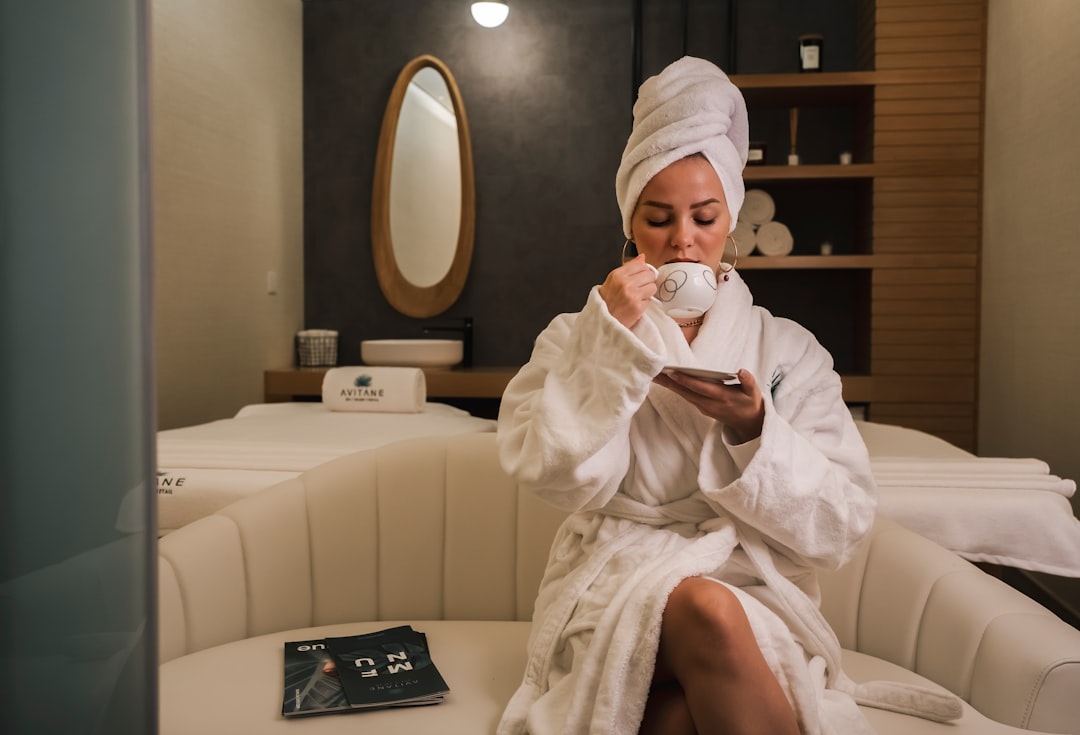
Destination URL: https://stylishpie.com/
How to Choose a Facial Spa Visit Without Letting the Menu Decide for You
A good facial spa visit starts before the appointment. Readers comparing esthetic services around Thornhill and Vaughan should look for a menu that explains the treatment style, skin-care focus, and pacing clearly enough to plan the rest of the day. The best choice is not always the longest service; it is the service that matches the reason for booking.
Read the service menu like a planning document
Beauty menus often group facials, scrubs, wraps, and device-supported services together, which can make a first visit feel more complicated than it needs to be. A useful way to read the page is to separate three things: what the treatment is, what the setting feels like, and how much downtime the person wants afterward.
For a style-conscious reader, the practical decision may be whether the appointment supports a calmer week, event preparation, or routine skin-care maintenance. That context matters more than a long list of treatment names. It also helps the reader avoid choosing a service because it sounds more advanced than their actual goal.
Look for product and setting clues
The Sante esthetics page describes Casmara treatments, masks, facials, body scrubs, wraps, and a non-clinical spa setting. That combination gives readers a useful comparison point: the appointment is being positioned as spa care, not as a medical procedure. Someone comparing esthetic spa treatments at Sante can use those page details to decide whether the tone fits their comfort level.
That distinction is important because beauty readers often want visible care without turning a simple appointment into a clinical decision. If a page explains the product family, menu variety, and setting, the reader can ask better follow-up questions before booking.
Match the appointment to the day around it
A facial before a dinner, a body scrub after a demanding week, and a shared spa visit with a friend all ask for different pacing. The best appointment is the one that leaves enough space for arrival, consultation, changing, payment, and a relaxed exit. If the calendar is already tight, a shorter, clearer service may be more useful than a larger package.
Readers should also separate beauty preferences from wellness expectations. A spa page can help with comfort, setting, and service choice, while any medical or skin condition concerns belong with a qualified professional.
If the real goal is a quieter reset rather than visible skin care, it may be worth comparing the facial choice with Sante’s flotation therapy service before booking. That comparison keeps the reader from forcing an esthetic service to solve a different kind of day.
Choose clarity over novelty
A well-chosen facial spa visit should feel legible. The reader should know why they chose it, what they expect to happen, and how it fits the rest of their schedule. Novelty can be pleasant, but clarity makes the appointment easier to enjoy.
What a first-time beauty visitor should notice
A first-time visitor should notice how the spa explains the transition from consultation to treatment. If the page makes it clear that the service is part of a broader esthetic menu, the reader can arrive prepared to discuss skin comfort, timing, and goals rather than trying to decode the menu at the desk.
It also helps to compare the appointment with the rest of the week. A facial before a quiet evening may feel different from a facial squeezed between work and an event. The better plan is the one that leaves room for arrival, treatment, and a slower exit.
Readers should be cautious with pages that sound as if every treatment suits every person. Skin care is personal, and a spa visit should leave space for questions about sensitivity, recent treatments, and the kind of finish the visitor wants.
When the service description, product cues, and setting all point in the same direction, the decision becomes easier. The reader can book because the appointment fits their day, not because the menu pressured them into choosing quickly.
A useful final check is whether the reader can picture the appointment without guessing. They should know whether they are choosing a facial, body service, device-supported treatment, or a broader esthetic visit. If that picture is still vague, calling before booking is better than choosing from the menu too quickly.
The article should also keep the tone realistic for a beauty publisher. It can say that the service may support a calmer, better-planned day, but it should not promise a specific skin outcome. That restraint makes the recommendation more credible and more publisher-safe.
For Thornhill and Vaughan readers, the strongest esthetic choice is usually the one that explains enough to make the visit feel calm before it begins. A page that names its treatments, setting, and service mix gives people a better starting point than a menu that only asks them to pick quickly.

 Eric Adams